





Understanding Student Loans
08/12/2026
How Do Student Loans Work?
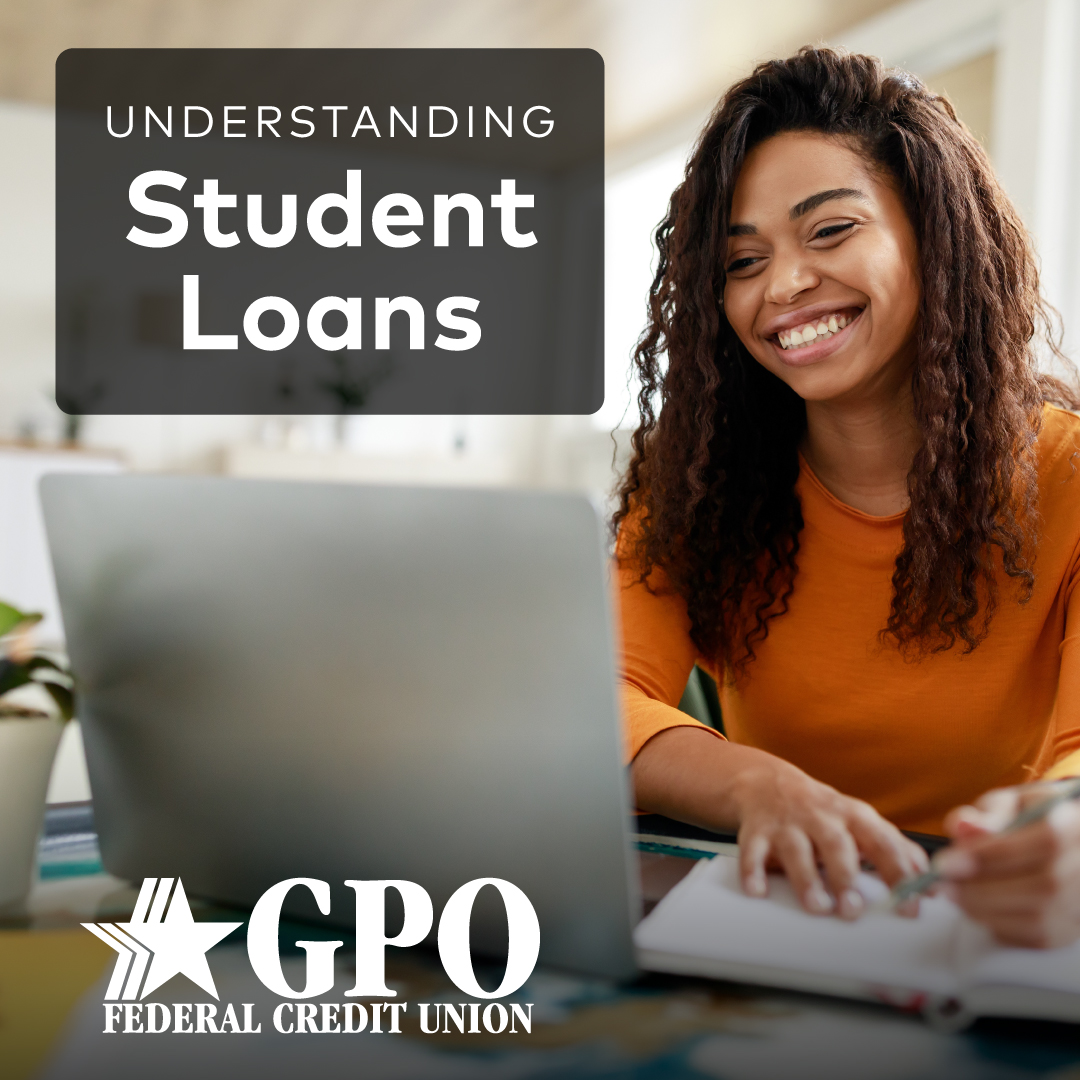
For many students and families, paying for college involves a combination of savings, scholarships, grants, and financial aid. When those resources don't cover the full cost of attendance, student loans can help fill the gap.
A student loan is money borrowed to help pay for education-related expenses, including tuition, fees, books, housing, meal plans, and other qualified costs. Unlike scholarships and grants, student loans must be repaid, typically with interest.
Student loans can be used for undergraduate, graduate, and professional degree programs, and repayment generally begins after a student leaves school or drops below a certain enrollment status.
Understanding how student loans work before borrowing can help you make informed decisions about financing your education and planning for the future.
Understanding Federal and Private Student Loans
Not all student loans are the same. Borrowers typically have two primary options: federal student loans and private student loans.
Federal student loans are offered through the U.S. Department of Education and may provide benefits such as fixed interest rates, income-driven repayment options, and certain deferment or forgiveness programs for eligible borrowers.
Private student loans are offered by financial institutions and can help cover education expenses when scholarships, grants, federal aid, and personal savings don't fully meet your needs.
Through GPO's partnership with Student Choice, members have access to private student loan options designed specifically for higher education expenses. Student Choice offers undergraduate and graduate student loans, as well as student loan refinancing options for eligible borrowers, providing another resource for families exploring ways to finance their educational journey.
Because eligibility requirements, interest rates, repayment options, and loan terms can vary, it's important to review all available options before making a borrowing decision.
Many financial experts recommend completing the Free Application for Federal Student Aid (FAFSA) and exploring available scholarships and grants before considering additional borrowing.
Understanding the differences between loan types can help students and families choose the option that best aligns with their educational and financial goals.
What Should You Consider Before Borrowing?
Student loans can be a valuable educational financing tool, but it's important to borrow thoughtfully.
Before applying, consider:
- How much you will need to borrow
- Your anticipated graduation timeline
- Estimated monthly payments after graduation
- Interest rates and repayment terms
- Potential future income in your chosen field
- Available scholarships, grants, and other financial aid
Borrowing only what you need can help reduce repayment costs later and make managing student loan payments more manageable after graduation.
Taking time to understand your options now can help create greater financial flexibility in the future.
Additional Resources for Students and Families
Paying for college can feel overwhelming, but you don't have to navigate the process alone. That's why GPO offers free one-on-one financial counseling to help members explore financial decisions, create budgets, and develop strategies for reaching their goals.
Members can also take advantage of educational resources available through our partnership with BALANCE, including articles, webinars, calculators, and financial wellness tools designed to support informed financial decision-making.
One resource worth exploring is BALANCE's Student Loan Counseling service. Whether you're preparing to borrow for college, currently managing student loan payments, or exploring repayment options after graduation, a certified financial counselor can help you better understand your situation and identify potential next steps.
Whether you're preparing for your first semester, returning to school, or helping a family member navigate the college planning process, having access to trusted guidance and educational resources can help you feel more prepared for what's ahead.
Planning for Your Educational Journey
Pursuing higher education is a significant investment in your future. Understanding your borrowing options, exploring available financial aid, and creating a plan before taking on student loan debt can help set you up for long-term success.
By taking the time to understand how student loans work and what to consider before borrowing, you'll be better prepared to make informed decisions throughout your educational journey.
GPO Federal Credit Union membership is open to anyone who lives, works, worships, attends school, or regularly conducts business in Hamilton, Herkimer, Oneida, Madison, Otsego, Chenango, Onondaga, Lewis, and Essex counties.